Creating Authentic Interiors with Miniature Dollhouse Furniture
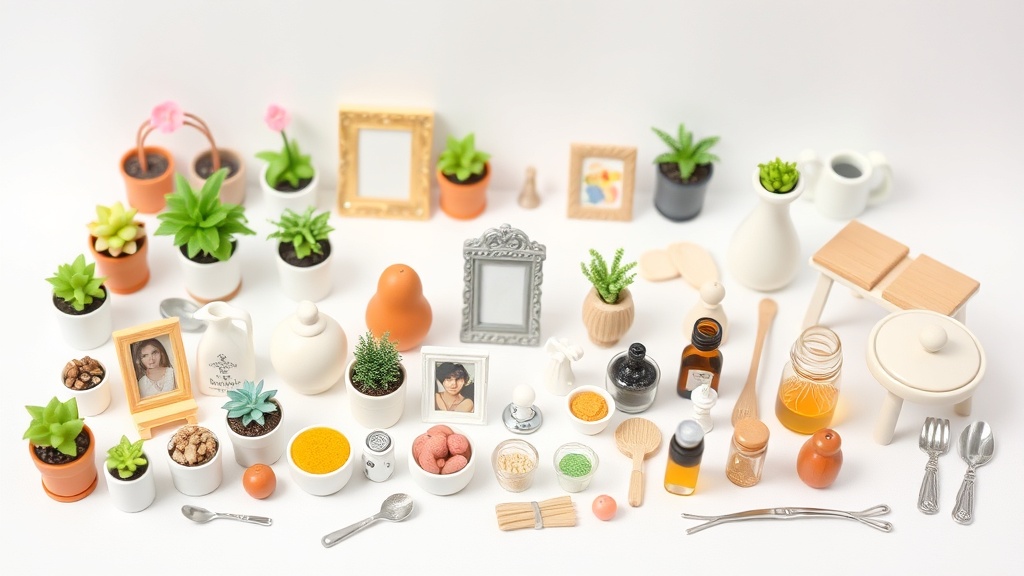
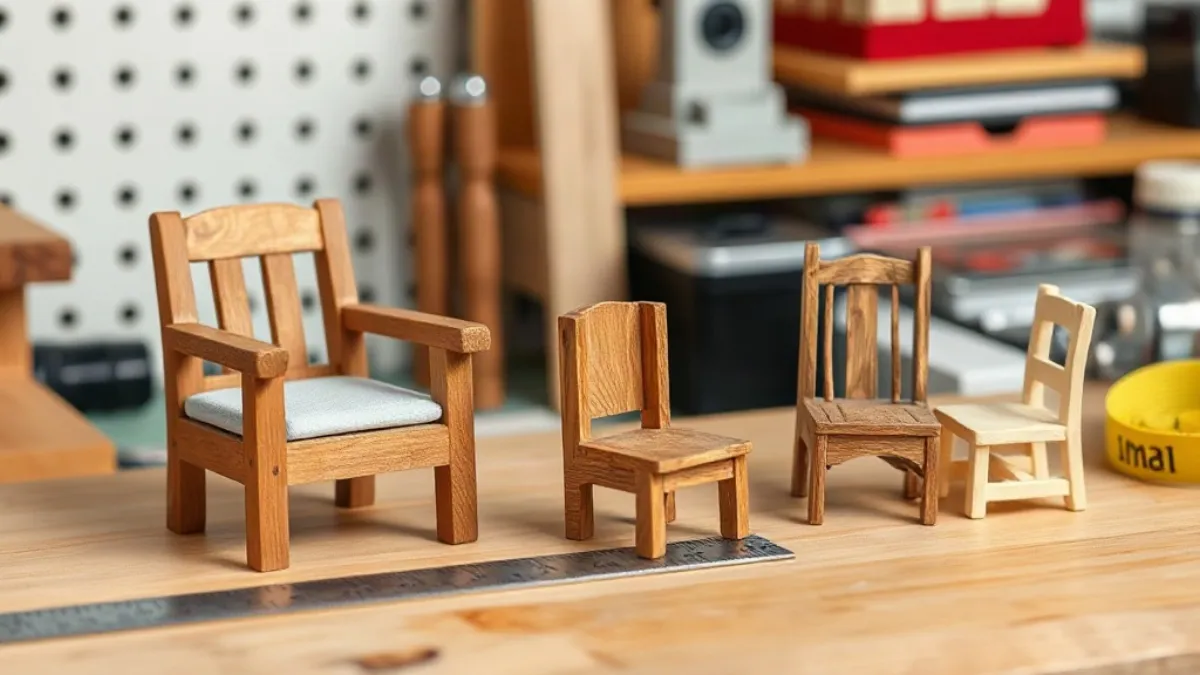
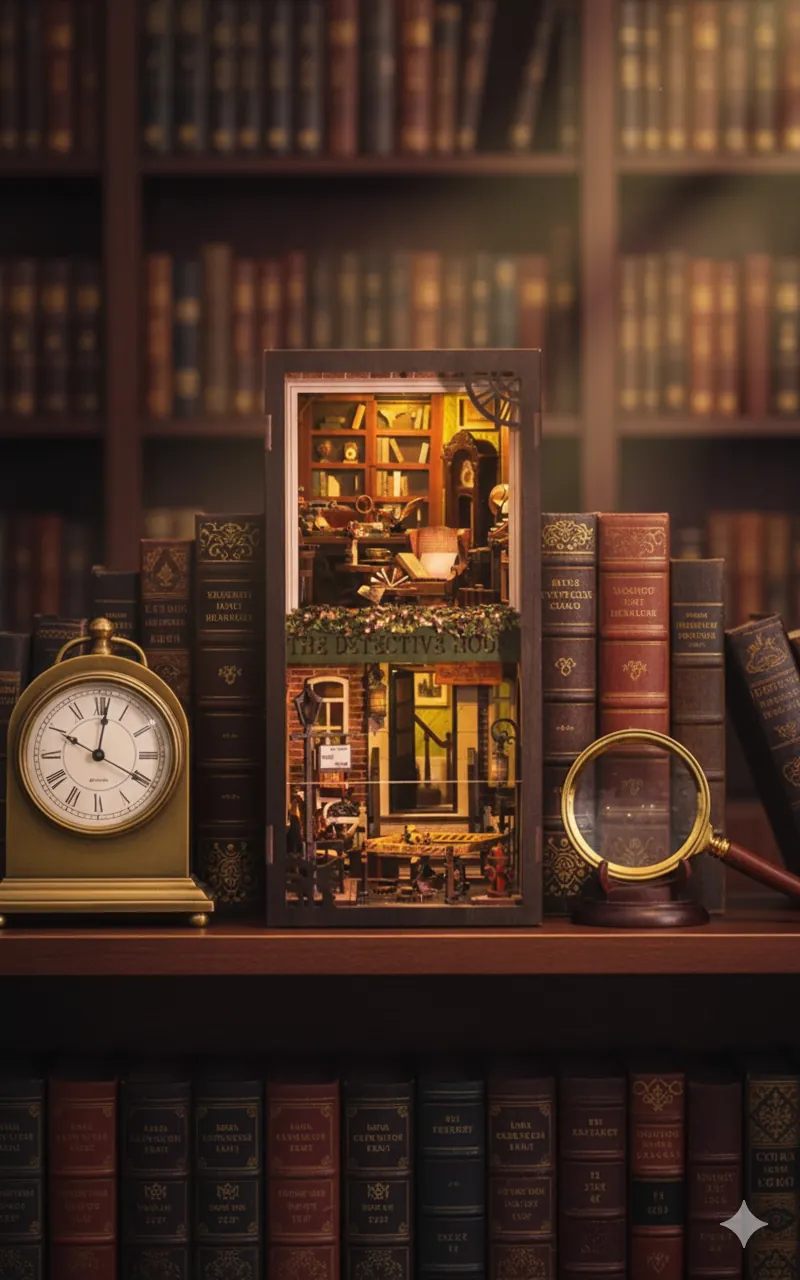
The magic of a dollhouse lies in its details, and miniature dollhouse furniture is where that magic truly shines. From tiny teacups to working drawers, the right furniture transforms a wooden box into a believable tiny home.
Understanding Miniature Scales
The most common scale for dollhouse furniture is 1:12, meaning everything is twelve times smaller than real life — one inch on the miniature represents one foot in reality. The scales you'll encounter are:
- 1:12 — the standard dollhouse scale, and by far the widest range of available furniture and accessories
- 1:18 / 1:20 — increasingly common in compact modern room-box kits
- 1:24 — half-scale, popular where the finished house needs to fit on a shelf
- 1:48 — quarter-scale, very small, mostly used for room boxes and dollhouse-within-a-dollhouse pieces
The practical implication is simple: 1:12 gives you the most options when you want to keep adding pieces over time, while 1:24 lets you fit more house into less space. Neither is better, but committing to one before you start buying saves considerable frustration. See the dollhouse scale size chart for exact measurements.
Furniture Styles Guide
Victorian Traditional - Ornate designs with dark wood, velvet upholstery, and intricate carved details.
Modern Contemporary - Clean lines, minimalist design, neutral colours with bold accents.
Cottage Cozy - Rustic wood, floral patterns, comfortable overstuffed pieces.
Japanese Minimalist - Low tables, tatami textures, sliding screens, zen-inspired simplicity.
Essential Furniture Pieces
Every dollhouse benefits from:
- Living room seating (sofa, chairs)
- Dining table with chairs
- Bedroom furniture (bed, wardrobe, nightstands)
- Kitchen pieces (cabinets, appliances)
- Bathroom fixtures
DIY vs Pre-Made Furniture
Most miniature dollhouse kits include furniture that you assemble, which offers:
- Perfect scale matching
- Coordinated style
- Sense of achievement
- Lower cost than buying separately
Tips for Furniture Assembly
- Use the smallest amount of glue possible
- Work on clean, white surface to find dropped pieces
- Let paint dry completely before handling
- Test placement before permanent gluing
Materials and What They Mean for Your Build
Miniature furniture is made from a handful of materials, and each behaves differently once it's in your dollhouse:
Laser-cut plywood — The most common material in kit furniture. Crisp edges, takes paint and stain well, but brittle at thin sections. Handle newly cut pieces carefully before they're assembled into a stronger structure.
Solid hardwood — Found in higher-end standalone furniture. Heavier, more durable, and holds fine detail beautifully. Considerably more expensive per piece.
Resin — Used for detailed items that would be impractical to cut from wood: ornate chairs, bathroom fixtures, figurines. Excellent detail reproduction, but the mould seam lines are worth checking for in product photos, as they're difficult to remove cleanly.
Plastic — Typically found in children's dollhouse sets. Durable and forgiving of handling, but rarely convincing in close-up display pieces.
Metal alloy — Used for small hardware-like items — lamps, taps, door handles. Adds genuine visual weight and catches light in a way plastic doesn't.
For display-focused builds, resin and wood photograph far better than plastic. For a child's dollhouse that will actually be played with, plastic and solid wood are the practical choices.
Building a Room That Reads as Real
Furniture selection matters less than arrangement. A few principles carried over from full-scale interior design work just as well at 1:12:
Leave floor space. The single most common mistake is filling every square centimetre. Real rooms have empty floor, and a miniature room without it reads as a furniture showroom rather than a home.
Vary the heights. A room where everything sits at the same level looks flat. Mix low pieces (rugs, coffee tables, floor cushions) with tall ones (bookcases, standing lamps, wardrobes) so the eye has somewhere to travel.
Float furniture away from walls. Pushing every piece flush against the perimeter is what makes a miniature room look staged. Pulling a sofa forward a few millimetres and angling a chair creates an implied conversation area.
Add signs of use. A book left open, a cushion slightly askew, a cup on a side table. These small asymmetries do more for believability than any amount of expensive furniture.
Finishing and Customising Kit Furniture
Kit furniture arrives as bare wood, which is an opportunity rather than a limitation. A few straightforward treatments transform the result:
- Wood stain applied thinly gives an authentic timber look that raw ply doesn't have. Test on an offcut first, as thin ply absorbs stain quickly and darkens fast.
- Chalk paint suits cottage and shabby-chic styles, and can be lightly sanded at the edges for a convincingly worn look.
- Fabric scraps for upholstery instantly lift a plain wooden sofa or chair. Thin cotton works far better than thick furnishing fabric at this scale.
- Matte varnish as a final coat protects the finish and — importantly — avoids the plastic-looking sheen that gloss varnish produces in miniature.
Paint and stain before assembly wherever possible. Reaching into a completed piece of miniature furniture with a brush is considerably harder than finishing the components flat.
Browse our dollhouse kits with premium furniture included and start creating your miniature dream home!