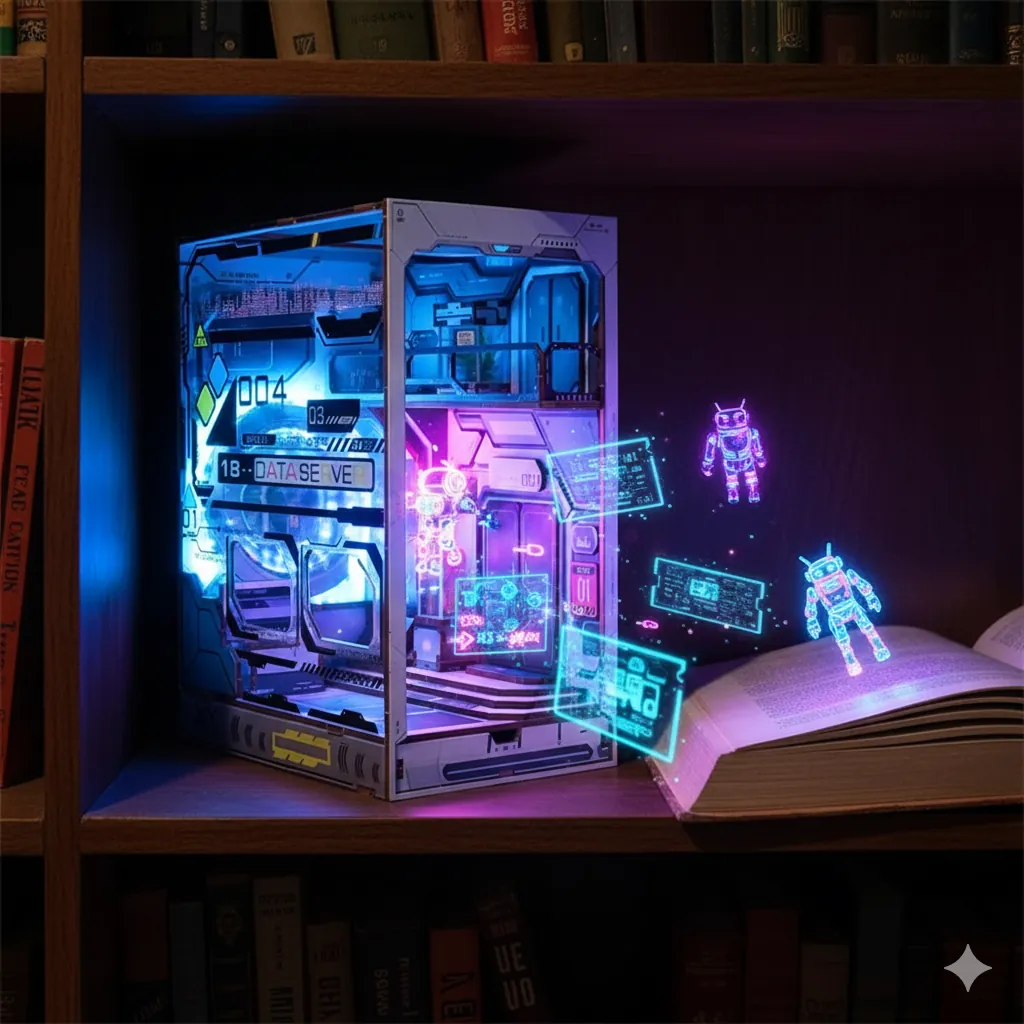
Why Craft Kits for Adults Are Taking Australia by Storm
In our increasingly digital world, craft kits for adults offer something precious: a chance to disconnect from screens and reconnect with our creativity. Building a miniature scene with your hands is a satisfying, calming way to spend an evening.
The Therapeutic Benefits of Adult Crafting
When you immerse yourself in a DIY craft kit, something magical happens. Research shows that crafting reduces stress hormones while boosting dopamine – the feel-good chemical in your brain. Whether you're assembling a delicate miniature room or following intricate puzzle instructions, you enter a state of mindful focus that quiets anxious thoughts.
Top Categories of Craft Kits for Adults
Miniature Dollhouse Kits - Create stunning tiny homes complete with LED lighting and miniature furniture. Perfect for detail-oriented crafters who appreciate the finer things.
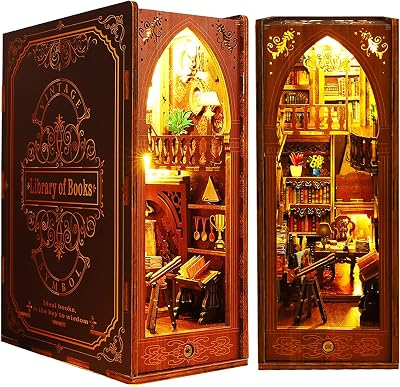
Book Nook Kits - These magical bookshelf inserts transform ordinary shelves into portals to other worlds. From mystical forests to cozy libraries, book nooks are Instagram favorites.
3D Wooden Puzzles - Challenge your mind while creating display-worthy pieces. From mechanical models to architectural wonders, these puzzles offer hours of engaging entertainment.
What to Look for When Buying
When selecting your first craft kit for adults, consider:
- Skill level rating (beginner, intermediate, advanced)
- Estimated completion time
- Quality of materials included
- Build-experience comments from other buyers
- Whether LED lighting is included
Matching a Kit to Your Available Time
One of the most common reasons a craft kit ends up abandoned in a cupboard is a mismatch between the project's size and the time the buyer realistically has. Kits in this category broadly fall into three time brackets:
Under 4 hours — Small book nooks, single-room dioramas, and beginner 3D puzzles. These can genuinely be finished in one sitting on a rainy afternoon, which makes them the safest choice for a first purchase. You find out whether you enjoy the hobby before committing a full weekend.
6–12 hours — The bulk of the market. Standard book nooks, single-room dollhouse kits, and mid-range mechanical models. Most people spread these across two or three evenings. This is the sweet spot for a satisfying project that still reaches a finished state.
15+ hours — Multi-room dollhouses, large architectural models, and kits with hundreds of individual components. Genuinely rewarding, but treat them as an ongoing project rather than a weekend activity, and make sure you have somewhere to leave the work-in-progress undisturbed.
If a listing doesn't state a build time, piece count is a reasonable proxy: under 100 pieces is usually a short build, 200–400 is a standard project, and anything above 500 is a serious commitment.
Skill Level: What "Beginner" Actually Means
Manufacturer difficulty ratings are not standardised, so "beginner" from one brand can mean something quite different from another. In practice, the factors that actually determine how hard a kit is to build are:
- Piece size. Kits with many components smaller than a fingernail demand tweezers, good light, and steady hands regardless of what the box says.
- Glue vs. slot-together. Slot-together and click-fit kits are far more forgiving because mistakes can be undone. Glue-based builds punish misalignment permanently.
- Wiring. Any kit with LED lighting adds a step where the order of assembly matters — thread the wire at the wrong point and you may have to dismantle finished sections.
- Instruction quality. This is the single biggest variable and the hardest to judge before buying. Reviews mentioning "unclear instructions" or "diagrams hard to follow" are worth taking seriously.
Setting Up a Workspace That Doesn't Fight You
You don't need a dedicated craft room, but a few basics make a noticeable difference. Work on a surface you can leave undisturbed between sessions — repeatedly packing away half-finished work is how projects stall. Use a light-coloured tray or a shallow box lid to corral small parts, since dropped miniature components are remarkably good at disappearing into carpet.
Lighting matters more than most people expect. A desk lamp angled to reduce shadows makes fine detail work substantially easier and reduces eye strain during long sessions. If you wear reading glasses, a cheap magnifying lamp is a worthwhile upgrade.
What You'll Want Beyond What's in the Box
Most kits include basic tools, but the included tweezers and glue are often the weakest components. A few inexpensive additions consistently improve results:
- Fine-tipped tweezers — the single most useful upgrade
- A quality craft glue — water-based PVA for wood, with a fine applicator tip
- Small clamps or clothes pegs — for holding glued joints while they set
- Fine sandpaper — for easing pieces that fit too tightly
- A cutting mat — protects your table and gives a non-slip work surface
Where to Buy Craft Kits in Australia
Finding quality craft kits in Australia has never been easier. Look for retailers specialising in miniature crafts who curate only highly-rated products. Consider delivery times and whether the seller offers support if you encounter difficulties.
It's also worth reading reviews with a specific eye to build experience rather than overall sentiment. A four-star review that says "beautiful once finished but the instructions were hard to follow" tells you far more about what you're buying than a five-star "love it!" A pattern of reviews mentioning missing pieces or warped components is a genuine warning sign, since a single missing part can stall an entire build.
Ready to start your crafting journey? Browse our curated collection of the best craft kits for Australian adults and find your perfect creative escape.