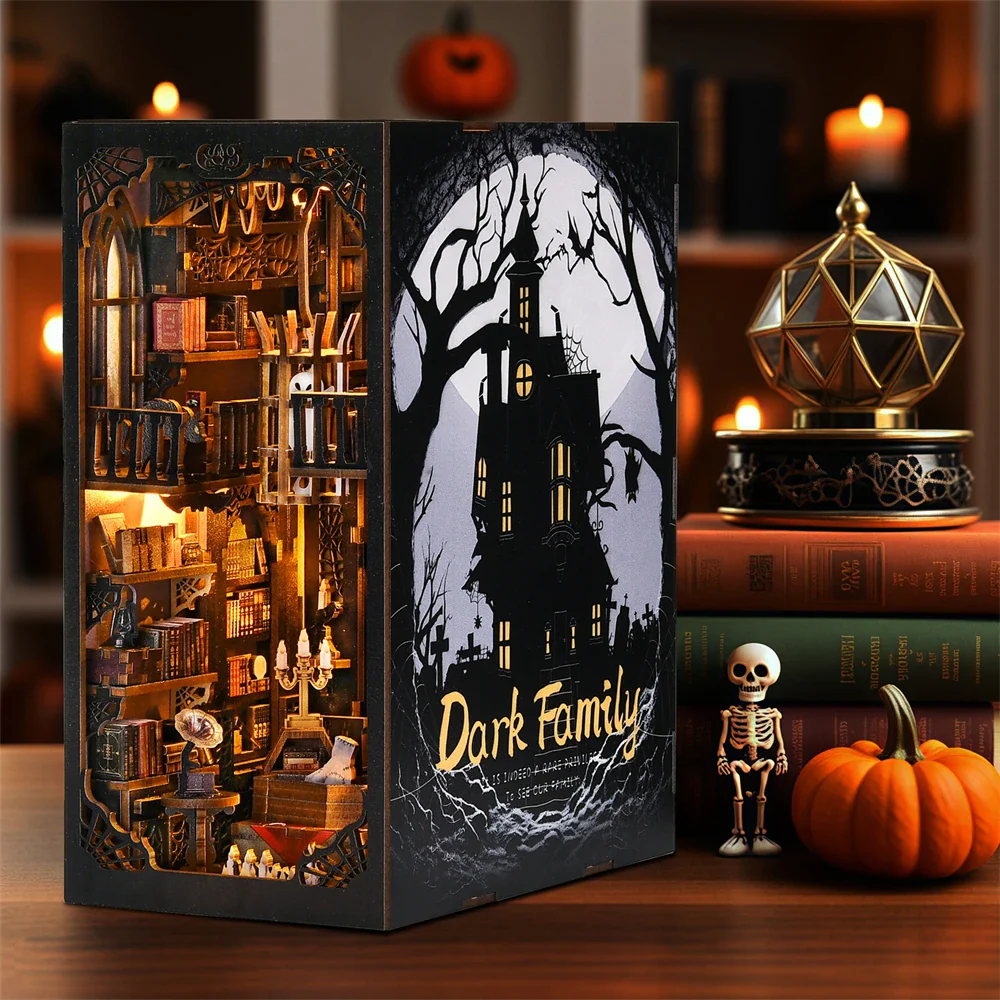
Why Book Nooks Are Australia's Hottest Home Decor Trend
Book nook kits have exploded in popularity across Australia, and it's easy to see why. These enchanting miniature dioramas slip between your books, creating magical windows to other worlds complete with glowing LED lighting.
This guide covers what to check before you buy. If you'd rather jump straight to specific kits, see our best book nook kits in Australia, compared by build time, pieces, lighting and dust cover.
What Makes a Great Book Nook?
The best book nook kits feature:
- High-quality laser-cut wood pieces
- Detailed miniature accessories
- LED lighting with multiple modes
- Clear instruction manual
- Unique, imaginative themes
Popular Book Nook Themes in 2024
Fantasy Worlds - Castles, dragon lairs, and magical forests
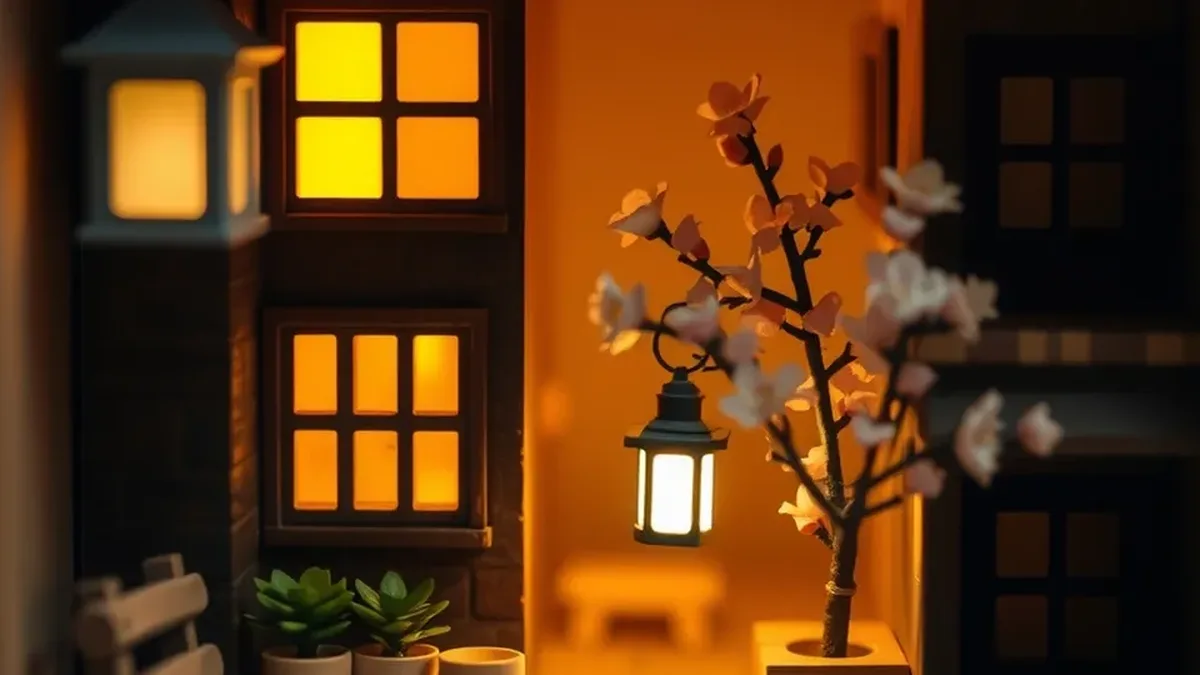
Japanese Scenes - Sakura streets, ramen shops, peaceful gardens
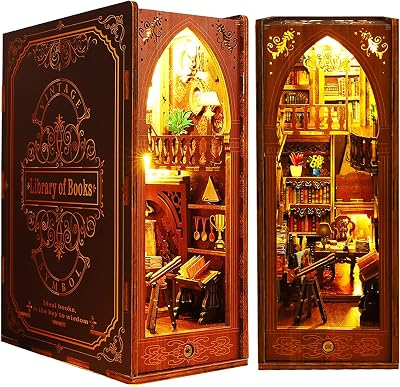
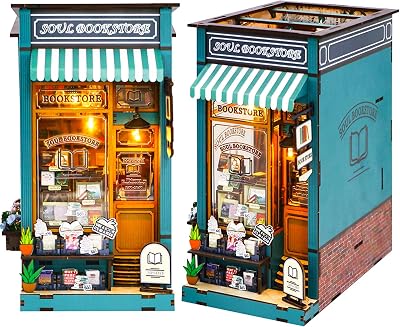
Library & Bookshop - Meta book nooks celebrating reading
Cozy Cafes - Coffee shops and patisseries with warm ambiance
Top Brands for Book Nook Kits
CUTEBEE - Known for creative designs and reliable quality
Rolife - Premium brand with innovative mechanisms
Tonecheer - Specialises in futuristic and unique themes
Spilay - Excellent value with comprehensive kits
Size and Fit Considerations
Before purchasing, measure your bookshelf! Standard book nooks fit:
- Height: 20-25cm
- Width: 10-15cm
- Depth: 15-20cm
Assembly Tips for Book Nooks
- Work in good lighting – those tiny pieces need visibility
- Use tweezers for small components
- Test LED placement before final gluing
- Take photos of progress for social media
The Depth Trick That Makes Book Nooks Work
The reason a good book nook is so striking has less to do with the miniature furniture than with how it manipulates perspective. Most quality kits use one or more of three techniques, and knowing which a kit uses tells you a lot about how the finished piece will look.
Forced perspective — Elements at the back of the scene are built slightly smaller than those at the front, tricking the eye into reading the alley or corridor as far deeper than the 15–20cm it actually is. This is the most common approach and the reason street-scene book nooks are so popular.
Infinity mirrors — Two facing mirrored surfaces with LEDs between them create the illusion of a corridor receding endlessly. Kits with this feature look dramatically deeper than their physical dimensions, and it's a genuine differentiator worth paying for if you want maximum impact.
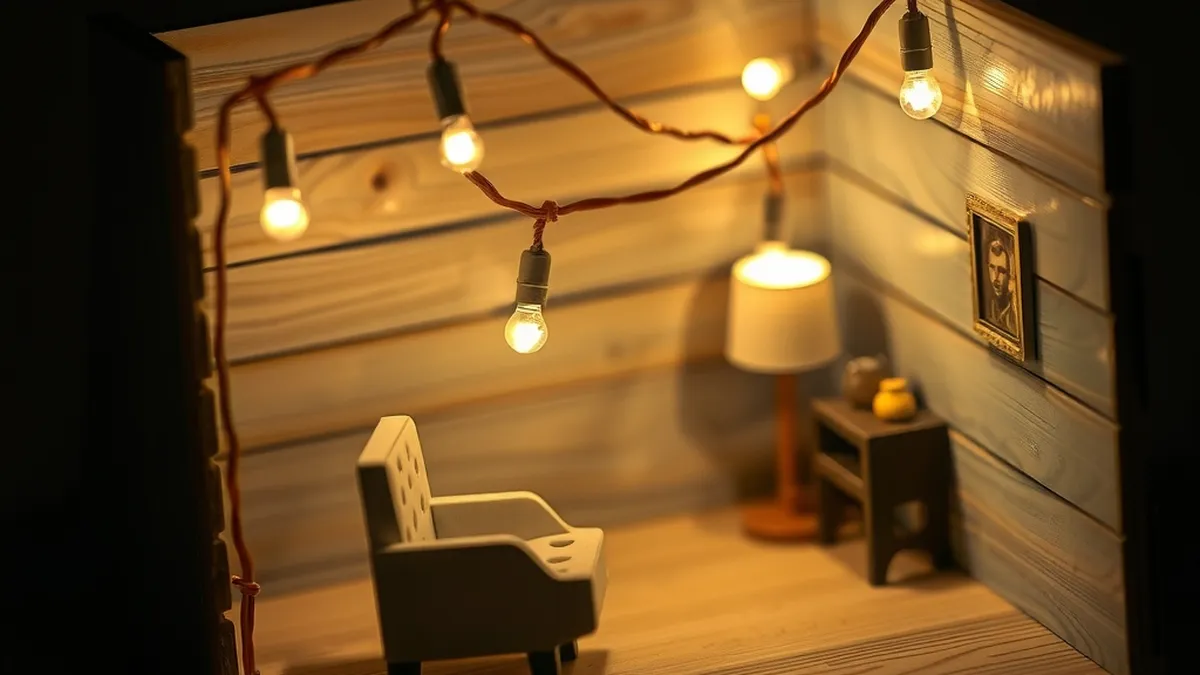
Layered lighting — Rather than one flat light source, better kits place LEDs at multiple depths so the front and back of the scene are lit differently. This is what creates the sense of atmosphere rather than just visibility.
If a listing doesn't mention any of these, the finished piece will likely read as a lit shadow box rather than a window into another world. That's not necessarily bad — but it's a different result.
Measuring Your Shelf Properly
Before buying, measure the actual gap you plan to fill, not just the shelf. Three dimensions matter:
- Height — must clear the shelf above. Most book nooks are 20–25cm, but check, especially on adjustable shelving set to a tight spacing.
- Depth — the shelf must be at least as deep as the nook, or it will overhang. Standard bookshelves are 20–30cm deep; most nooks need 15–20cm.
- Width — this is the one people forget. The nook occupies the space of roughly two to three hardbacks. If your shelf is already full, something has to move.
Also consider power. Almost all book nooks are battery-powered (usually AAA or a USB cable), and the battery pack has to live somewhere. Better kits hide it in the base or behind the rear panel; cheaper ones leave it dangling, which you'll need to plan around if the shelf is visible from the side.
Book Nooks vs. Dollhouse Kits: Which Should You Start With?
These two categories attract the same buyers but offer quite different experiences.
Book nooks are typically faster (4–10 hours), have a fixed display location, and produce a single dramatic scene. Because the viewing angle is fixed — you only ever see the nook from the front — you can concentrate detail where it's visible and ignore the rest. This makes them more forgiving for beginners.
Dollhouse room kits take longer, are viewed from multiple angles, and demand more consistent finishing. They also invite ongoing additions: once the room is built, you can keep buying furniture and accessories for it indefinitely.
If you want a finished showpiece with a clear endpoint, start with a book nook. If you want an ongoing hobby you can keep adding to, a dollhouse room is the better entry point.
Caring for a Finished Book Nook
Book nooks are dust magnets — all those tiny horizontal surfaces and open interiors collect it quickly, and it's very difficult to remove once settled. A soft makeup brush or a can of compressed air used gently is the practical solution. Some builders fit a clear acrylic front panel to seal the scene entirely, which is worth considering for elaborate builds.
Keep finished pieces out of direct sunlight. Printed backdrops and dyed fabric elements fade noticeably over months of direct sun exposure, and the glue used in most kits becomes brittle with prolonged UV. A shelf that gets bright indirect light is ideal.
Browse our complete collection of book nook kits and find the perfect addition to your reading corner!