Why 3D Wooden Puzzles Are Perfect for Australian Adults
3D wooden puzzles offer something special: the satisfaction of problem-solving combined with the pride of creating a beautiful display piece. These aren't children's toys – they're sophisticated engineering projects that challenge and reward adult minds.
Types of 3D Wooden Puzzles
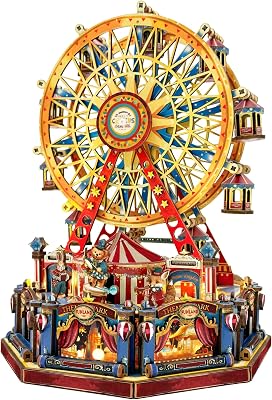
Mechanical Models - Feature moving parts, gears, and sometimes motors. Build a working music box, marble run, or clock mechanism.
Architectural Models - Recreate famous buildings from the Sydney Opera House to European cathedrals.
Vehicle Models - Cars, trains, ships, and aircraft in stunning detail.
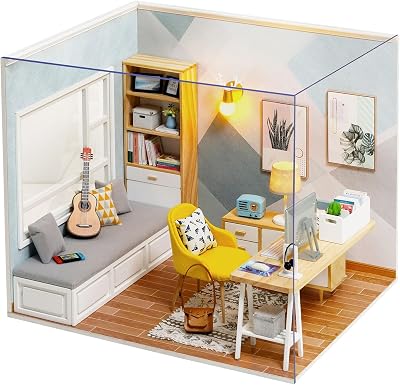
Fantasy & Decorative - Unique designs that prioritise aesthetics over function.
Metal Model Kits - Not wood, but close cousins: laser-cut steel or brass sheets whose parts lock together with tabs, no glue. Browse metal model kits from Metal Earth, Piececool and others.
Top Brands for 3D Puzzles in Australia
ROKR - Known for incredible mechanical models with working parts
Rolife - Beautiful designs with premium materials
GuDoQi - Architectural models of world landmarks
Robotime - Wide range from beginner to expert level
ROKR, Rolife and Robotime are one company's brands — see Rolife vs Robotime vs ROKR for which line makes what.
Choosing the Right Difficulty Level
Beginner (100-200 pieces) - Simple mechanisms, 2-4 hours build time
Intermediate (200-400 pieces) - Complex structures, 4-8 hours
Advanced (400+ pieces) - Intricate mechanisms, 8+ hours
Essential Tips for 3D Puzzle Success
- Never force pieces – if it doesn't fit, check orientation
- Use sandpaper on tight joints
- Work in good lighting
- Keep pieces organized by step
- Take breaks to maintain focus
Display Your Completed Puzzles
Once finished, your 3D wooden puzzle deserves proper display. Consider:
- Glass display cases
- Floating shelves
- LED accent lighting
- Dust covers for long-term protection
Wood, Metal or Plastic: How the Material Changes the Build
The "3D puzzle" label covers three quite different building experiences, and buyers regularly end up with something other than what they expected.
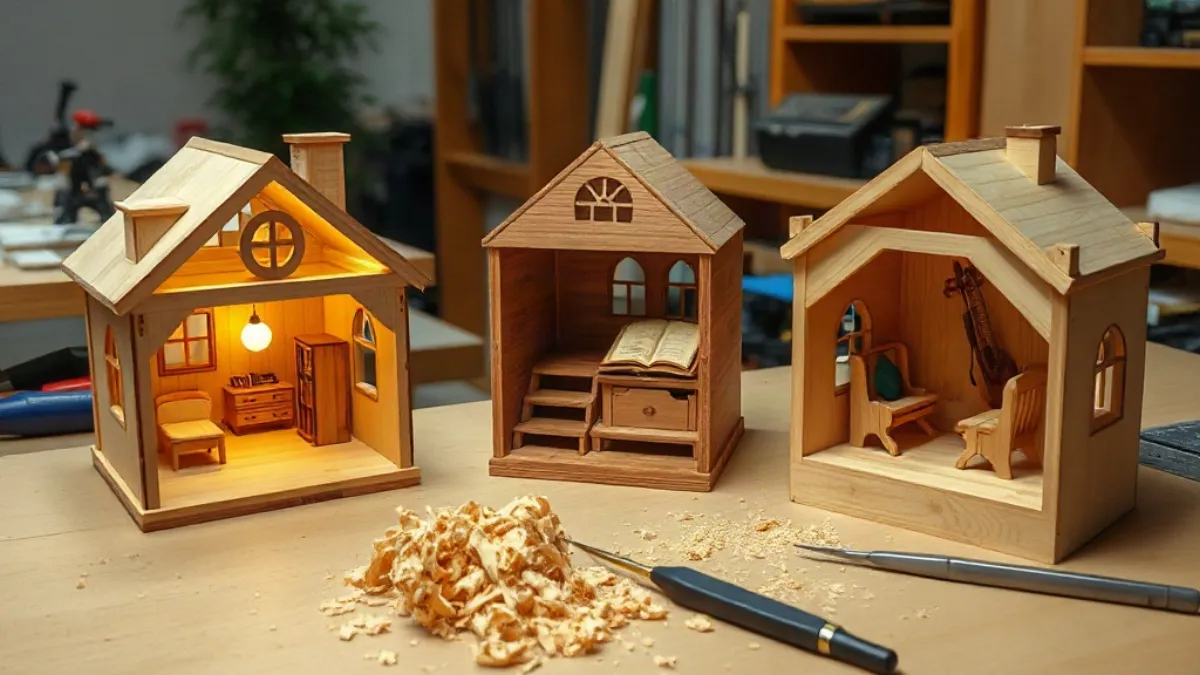
Laser-cut plywood — The classic format. Pieces punch out of flat sheets and slot together, usually without glue. Forgiving, pleasant to handle, and the finished model has genuine warmth. The main risk is snapping thin pieces during removal from the sheet — twist gently rather than pulling.
Etched metal — Thin stainless steel sheets where pieces are removed with cutters and folded into shape with pliers. Dramatically more difficult than wood: tabs must be bent precisely, and metal fatigues if you bend and re-bend it. The finished models are strikingly durable and detailed, but this is not a beginner format regardless of what the packaging suggests.
Plastic click-together blocks — The fastest and most forgiving, since mistakes simply pull apart. Less tactile satisfaction than wood, but genuinely enjoyable if you want a finished model in an evening.
If a listing says "with tools included" and shows small pliers, you're almost certainly looking at a metal kit. Plan accordingly.
Do the Mechanisms Actually Work?
The main appeal of mechanical models is that the finished piece moves — gears turn, marbles roll, music plays. Whether that works reliably comes down to build precision rather than kit quality.
Moving assemblies are unforgiving of excess glue and of pieces forced into place. If a gear train binds, the usual causes are glue seepage into a joint that should rotate freely, or a shaft that has been pushed slightly out of alignment. Test each sub-assembly's movement before attaching it to the next, rather than discovering at the end that something deep inside the model is jammed.
A light application of graphite from a pencil tip on wooden gear teeth reduces friction noticeably and is a common trick among experienced builders. Avoid oil-based lubricants on wood — they soak in and cause swelling.
Making a Finished Model Last
Wooden models are more fragile than they look, and three things damage them over time:
Humidity swings cause thin ply to warp and joints to loosen. Australian coastal humidity is genuinely a factor here. A stable indoor spot away from open windows and bathrooms makes a real difference.
Direct sunlight fades and yellows untreated wood within months, and makes glue brittle.
Dust settles into mechanisms and gradually increases friction until moving parts stop working smoothly. A soft brush every few weeks is far easier than dismantling a seized mechanism later.
For models with working mechanisms, exercise them occasionally rather than leaving them static for years — parts that never move tend to seize.
Shop our 3D wooden puzzle collection and discover your next building challenge!